Who really pays for the drive to the mountains?
· 6 min read · by Joaquín Ferreyra
It is a Saturday morning in ski season, still dark, and a driveway in Denver holds four cars, twelve people, a pile of boards and a debate. Who drives? Who has snow tires? Who pays for parking in Breckenridge, and what happens if the pass closes on the way home?
Planning a group trip with a company such as Denver Charter Bus Co CO answers some of those questions in one booking. But the driveway debate hides a bigger one, and it is the question this piece follows: who actually pays for the drive to the mountains, and who decides how people get there? It ends with what to ask an operator before signing.
One road, many cars
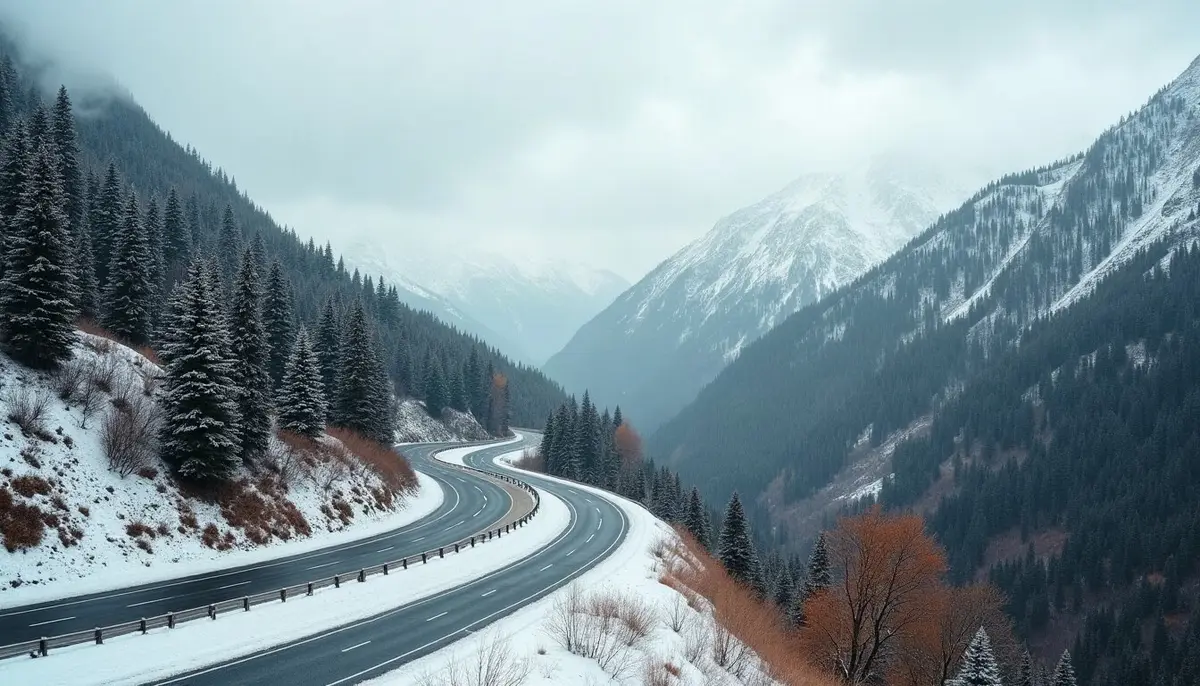
The trip from Denver to the high ski towns runs on a small number of mountain highways that climb through narrow valleys and over high passes. They were not built for the traffic they now carry on a winter weekend. When snow comes through, the same road can go from slow to stopped, and everyone on it, from a family in a hatchback to a delivery truck, shares the delay.
That is the first thing worth understanding about the economics. A private car on that road looks like an individual choice, but its costs are shared. Each extra car adds a little to the queue, a little to the risk of a spinout that closes a lane, and a little to the parking problem at the other end. The driver pays for fuel. Everyone else pays in time.
Mountain towns feel this most. They sit in tight valleys with little flat land, and every space given to parking is space not used for housing, shops or snow storage. Many have responded by charging more for parking, limiting it, or pushing visitors toward remote lots and shuttles. Those are reasonable responses to scarcity. They also shift the cost of the car trip from the road to the destination.
Follow the money
When a group decides how to travel, the comparison is usually fuel against a ticket price. That leaves a lot out.
- The car trip. Fuel, parking at the destination, wear on tires and brakes, and the value of the time one or more people spend driving instead of resting. There is also risk: a winter accident costs far more than any ticket, and that risk falls on whoever is behind the wheel.
- The resort and town. Paid parking and permits are a source of revenue as well as a way to ration space. Whoever runs the lots has an interest in the arrangement continuing.
- The charter. One price for the vehicle and a professional driver, split across the group. The operator earns on the booking; the group trades flexibility for not having to drive.
Laid out like that, the charter is neither a luxury nor a bargain by default. It depends on group size, the date, how long the vehicle waits, and what the group values. A party of four with a flexible schedule may prefer to drive. A wedding party, a club or a company outing with fixed times and no volunteer drivers often finds the arithmetic shifts the other way.
What a charter changes, and what it doesn't
The appeal is easy to state. One driver who does the route regularly. One vehicle, one schedule, and nobody in the group spending the evening worrying about the descent in the dark. For groups traveling for a wedding or a work event, there is also the plain logistics of getting everyone to the same place at the same time.
The trade-offs are just as real. The group leaves when the bus leaves, not when the last person finishes their run. Bad weather can still delay or cancel a trip, and the contract decides who carries that cost. Extras such as waiting time, an extra stop or a late return can add to the price, and some quotes include things like gratuity while others leave them out.
None of that is a reason to avoid chartering. It is a reason to read the quote as carefully as you would read any other contract, because the cheapest headline price is not always the cheapest trip.
It also helps to be honest about what the group is buying. For some, it is safety on a snowy pass. For others, it is the chance to arrive together, or to let the person who usually drives enjoy the day as well. A wedding party heading to a mountain venue wants punctuality and a dry place to sit in formal clothes. A ski club wants room for gear and a driver who knows where large vehicles can stop. Knowing which of these matters most makes it easier to judge a quote, and easier to tell an operator what the trip really needs, from luggage space to how long the bus should wait before the ride home.
Who is actually running the bus?
Here is the question I find most useful in this market, and it applies to any operator. Group transport has a mix of businesses: companies that own and run their own vehicles, and brokers that take bookings and pass them to whichever operator has a vehicle free. Both models can work well. But they lead to different answers when something goes wrong.
If the company you book with also runs the vehicle and employs the driver, accountability is short and clear. If the booking is passed on, you want to know to whom, and whose rules on drivers, vehicle maintenance and winter equipment apply. A good operator of either kind will tell you plainly. A vague answer is information too.
The same logic applies to winter readiness. Ask how the company prepares its vehicles and drivers for mountain conditions, what it does if the pass closes, and how it communicates with a group stranded at the top or bottom. These are not trick questions. They are the questions any careful buyer of a service that crosses a mountain in winter ought to ask.
Ask in writing
A written answer turns a friendly phone call into something you can hold the company to on the day.
| Ask | Why it matters |
|---|---|
| Will your company operate the vehicle and employ the driver, or will the trip be subcontracted? | It tells you who is accountable if something goes wrong. |
| What exactly does the quoted price include? | Waiting time, extra stops, fees and gratuity can change the real cost. |
| What happens to the booking if snow closes the road? | Weather is the most likely disruption, and the contract decides who pays. |
| How are vehicles and drivers prepared for mountain winter driving? | Winter readiness is the main reason to hire a professional for this route. |
| Can you show proof of insurance and operating authority? | A legitimate operator should provide both without fuss. |
| What is the cancellation policy, and by what date? | Group plans change, and deposits are easier to lose than recover. |
| Where exactly will the bus drop off and pick up at the destination? | Town parking and access rules may decide how close a large vehicle can get. |
The bigger picture
The road to the mountains is a shared resource that mostly gets used one car at a time. Towns ration what is left at the end of it with parking prices, resorts earn on the rationing, and travelers absorb the rest in time, fuel and risk. A charter bus is one way a group can step out of that arrangement for a day, by pooling the cost and handing the driving to someone whose job it is.
Whether it is the right choice depends on the group. But the driveway debate is worth having with the full costs on the table, not just the fuel. Who drives, who pays, and who decides how people reach a valley with limited room are questions that will shape mountain travel long after this season's snow has melted.

Written by Joaquín Ferreyra
Joaquín tracks mergers, market shares and the business models behind agribusiness, pharma and big tech. He likes a good concentration ratio and distrusts any market where four companies sell most of everything.