Filed under: Food & Farming
Seeds, soils, farmers and food systems: who grows our food, who owns the inputs and what keeps farming diverse.
Books about bees: six worth reading, from wild bees to a first hive
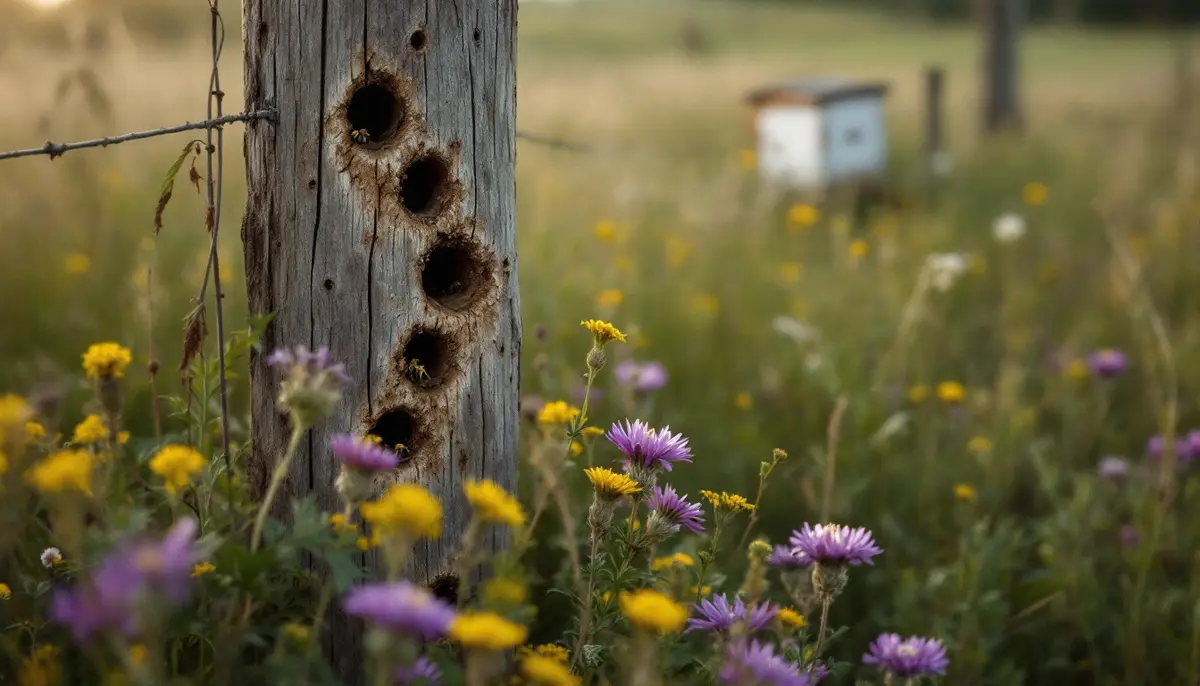
Books about bees for every kind of reader: native bees, how a honeybee swarm decides, two manuals for a first hive, and the case on pollinator decline.
Nitrogen, potash and phosphate: who controls fertilizer, and why the price swings
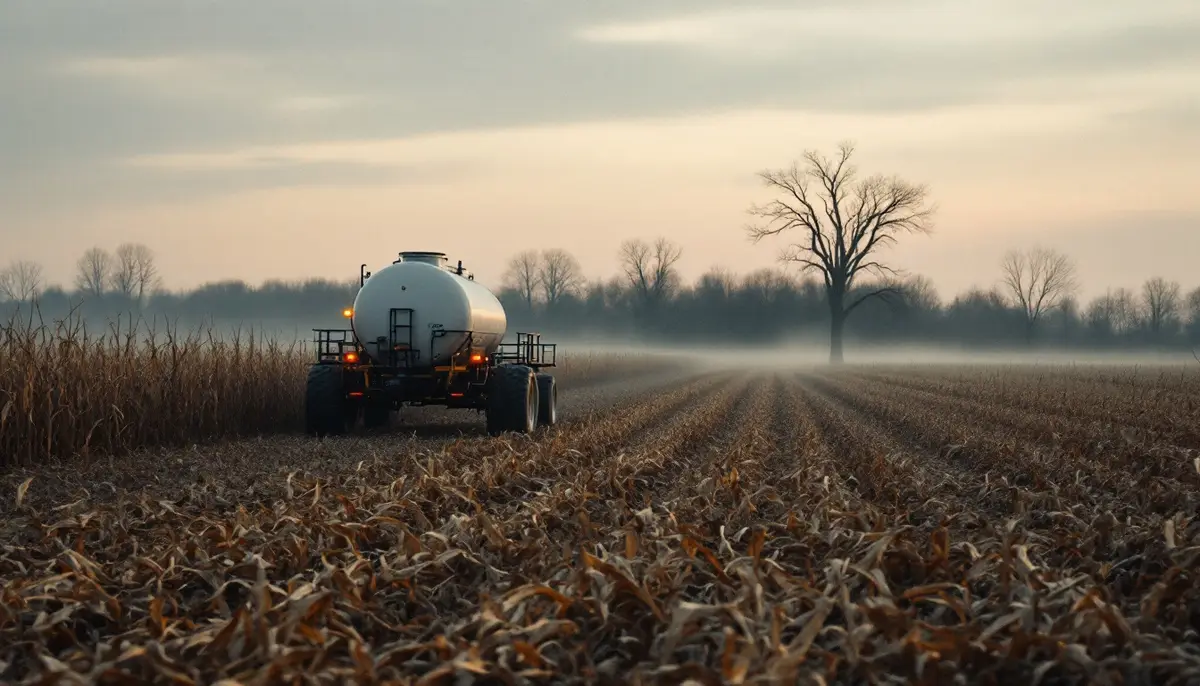
Fertilizer is three businesses: an energy business, a mining business and a near-cartel. Who supplies each nutrient, and what really moves the price.
What are heirloom seeds? The meaning, the myths and how to save your own
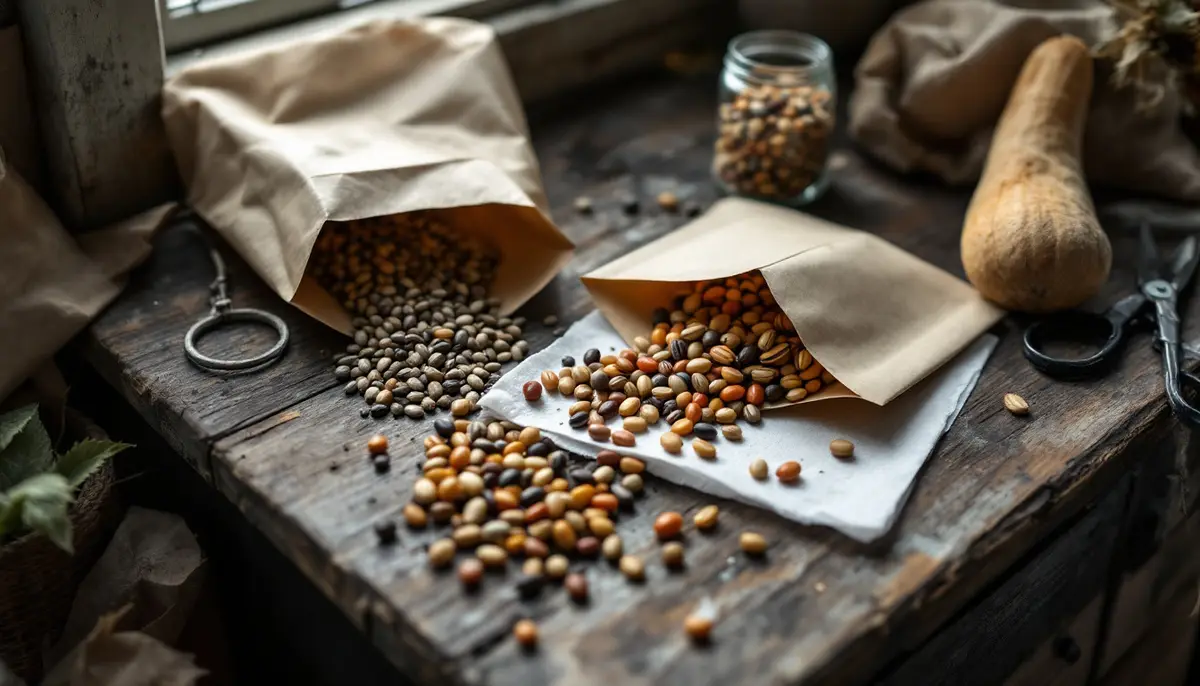
The meaning of heirloom seeds: open-pollinated varieties passed down for generations, how they differ from hybrids, and how to save your own.
Nutrition books worth reading: seven on processed food, appetite and the science of eating
Seven nutrition books for curious eaters: ultra-processed food, appetite and the brain, Michael Pollan's rules, and where researchers still disagree.
What is regenerative agriculture? The practices, the promises and the fight over the word
What is regenerative agriculture? The core practices, why definitions split between methods and results, corporate pledges and what soil carbon can do.
Are GMOs good or bad? Three questions with three different answers
Are GMOs good or bad? Split it into food safety, effects in the field and who owns the seed, and the evidence gives three quite different answers.
The best food writing: eight books on how our food is grown, made and sold
The best food writing follows dinner back to field and factory. Eight food books on the industrial plate, growing and cooking, and the bigger picture.
Drones over the fields: spraying, mapping and the rules catching up
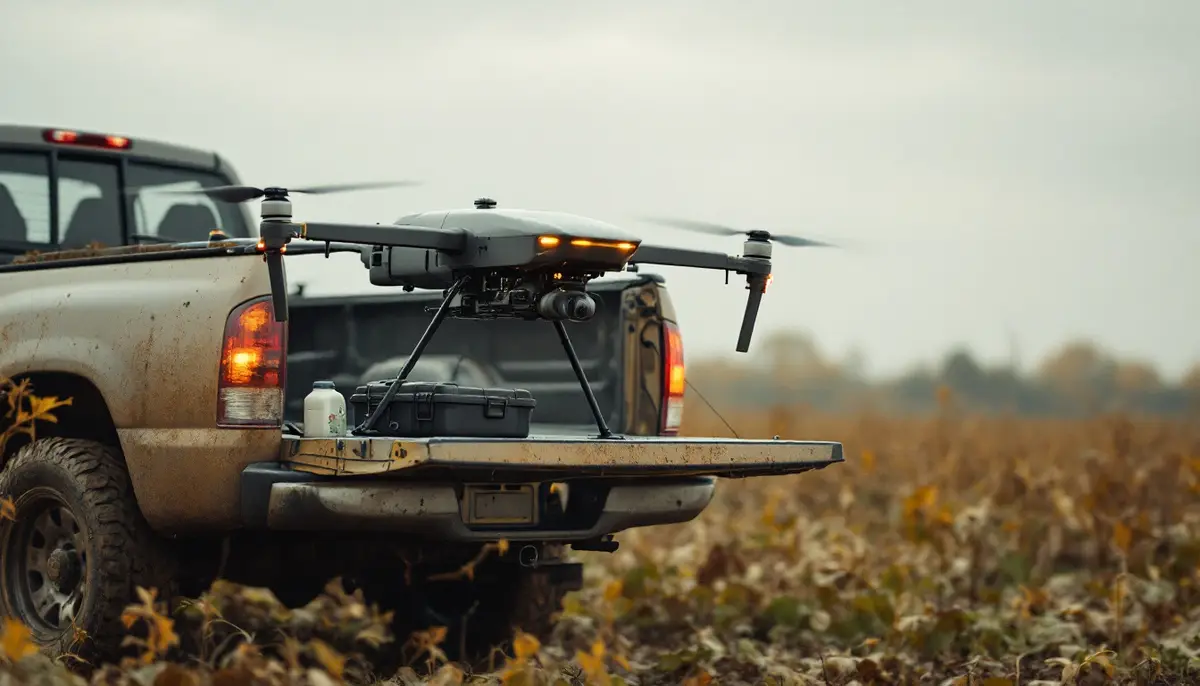
A season with a farm spray drone, step by step (licenses, drift, neighbors, data), and why the rules are still catching up with the machine.
What does non-GMO mean? Three labels, three different promises
Non-GMO means different things on different labels. How the butterfly seal, the USDA bioengineered label and organic differ, and where gene editing fits.
Cultivated meat: a reality check
Six years after the first approval, cultivated meat is legal in a few places, banned in others and sold almost nowhere. The biology explains most of why.
Agroecology on the farm: what changes, season by season
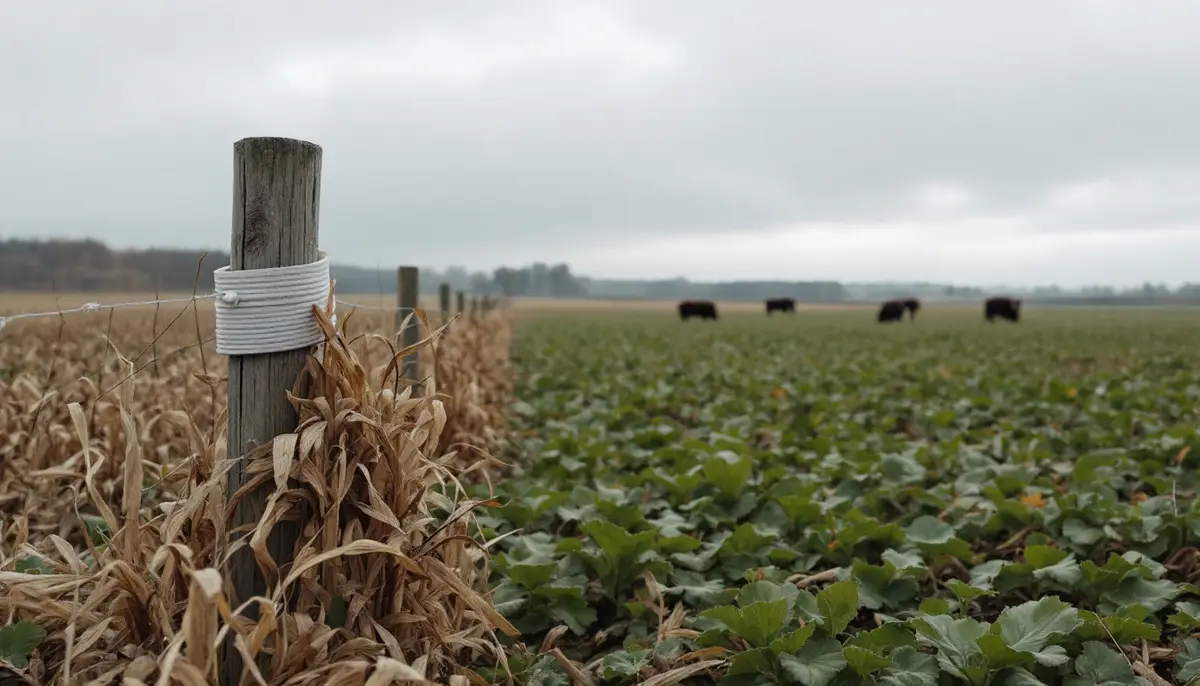
Agroecology is a practice before it is a policy. What changes on a working farm, the FAO's ten elements in plain words, and the trade-offs to admit.
Soil carbon: what the science can promise, and what it can't
Soils hold vast amounts of carbon, but gains are hard to measure and easy to lose. What 4 per 1000, carbon credits and farmers can realistically expect.