Filed under: Corporate Power & Economy
Mergers, patents, market concentration and the economics of who controls technology and food.
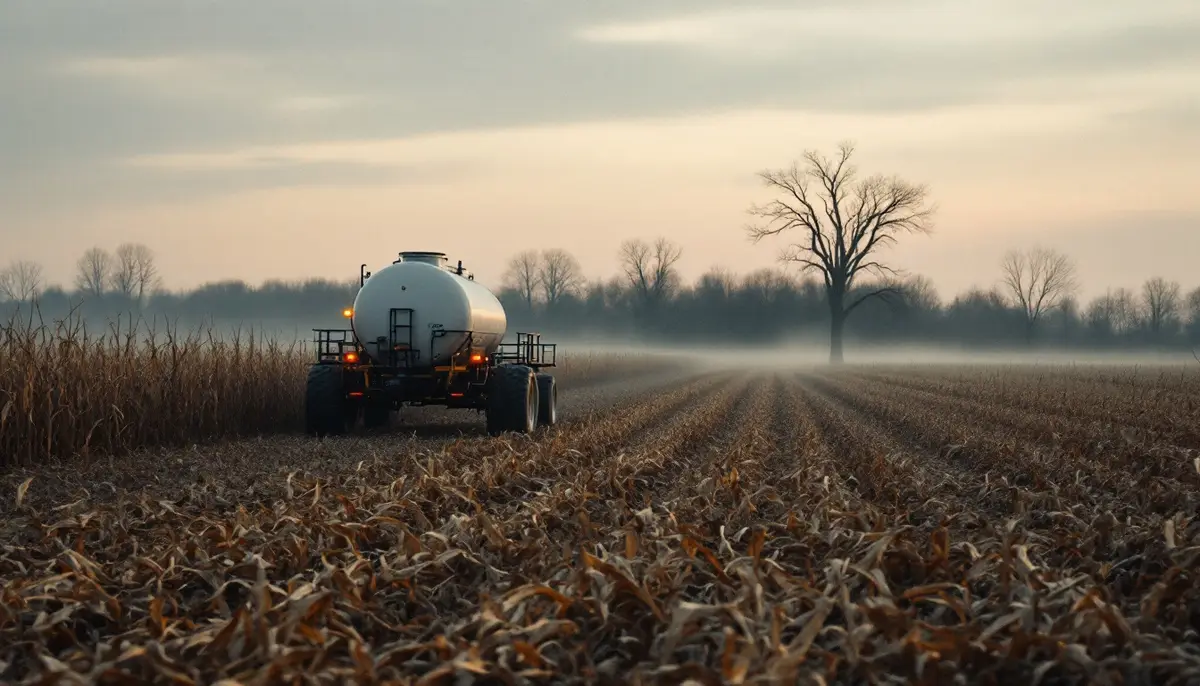
Nitrogen, potash and phosphate: who controls fertilizer, and why the price swings
Fertilizer is three businesses: an energy business, a mining business and a near-cartel. Who supplies each nutrient, and what really moves the price.
How carbon credits work: from a project's tonne to a company's claim
How carbon credits work: compliance and voluntary markets, registries, additionality and permanence, plus a worked example of how a tonne gets counted.
Patch, resurface or replace: who decides what a cracked driveway needs?
Three driveway fixes, three business models. How to read a concrete repair quote and what to ask before you sign.
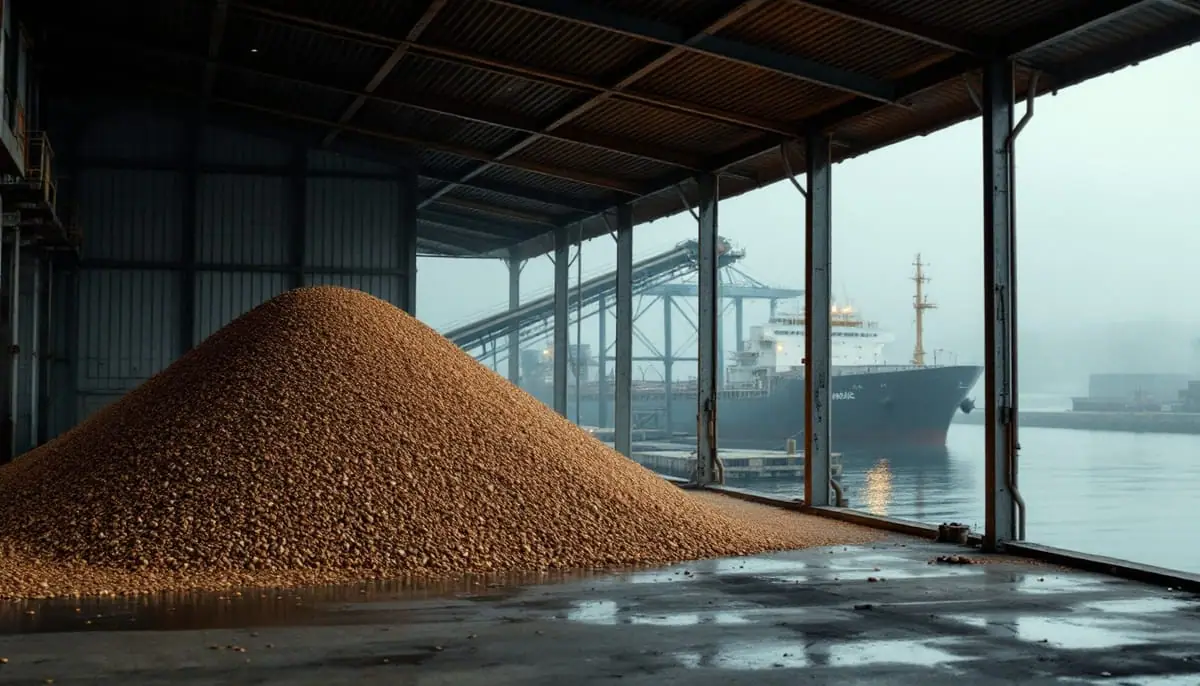
Beware the biomass economy: pellets, jet fuel and the carbon-neutral claim
The bioeconomy swaps fossil carbon for plant carbon. The biomass demand that implies, who controls supply, and whether burning it is carbon-neutral.
A very dirty green: how business got a seat at the UN table
From the Global Compact to Davos and the climate COPs: how companies won a seat at the UN table, and what to ask when a summit unveils a coalition.
Digital sequence information and the Cali Fund: paying for genes that live in databases
Genetic data in open databases slipped past the Nagoya Protocol. COP16 answered with the Cali Fund. What companies are asked to pay, and what to watch.
The true colors of the green economy: from Rio+20 to rainforest credits
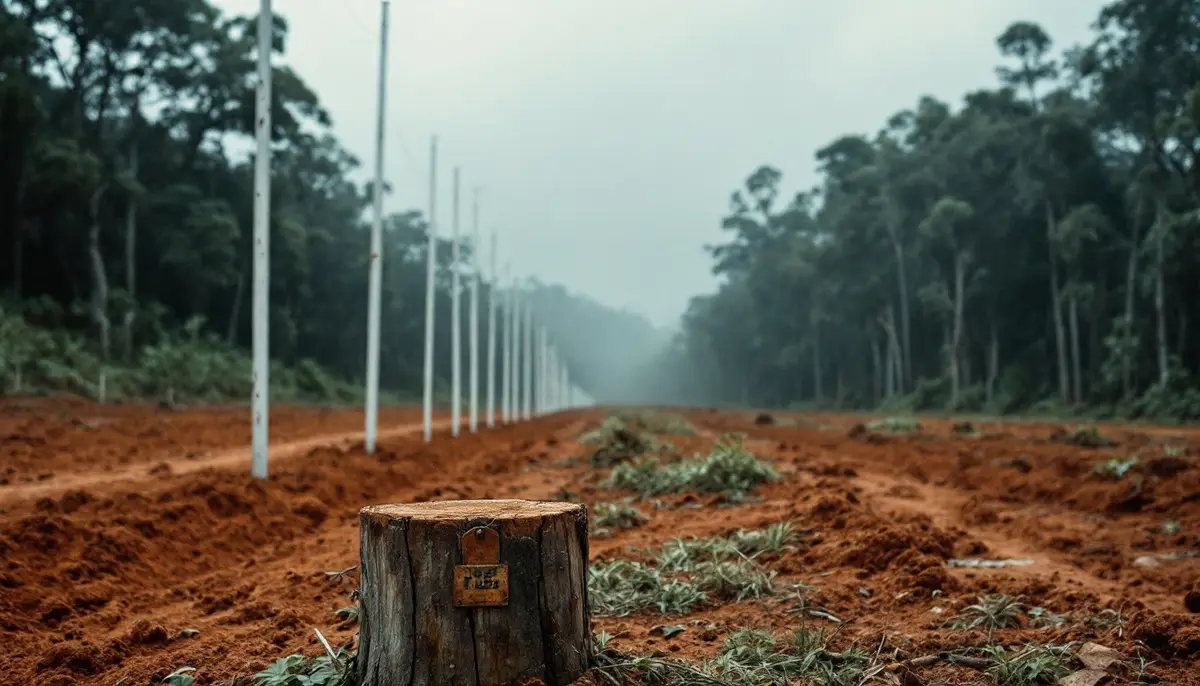
In 2011 critics warned the 'green economy' meant putting a price on nature. What followed: natural capital, offsets, nature credits, and who gets paid.
When Europe revoked a patent on every GM soybean: questions and answers
In 2007 the EPO revoked a patent covering all GM soybeans. Why it fell, and how Europe's plant-patent fights led to the deadlock over gene-edited crops.
Climate technology transfer: for Northern business or Southern countries?
At Copenhagen, technology transfer was the 'easy' climate issue. Fifteen years on, the patent fight is parked and the map of who makes what has flipped.
UPOV 91 and seed laws, explained from the ground up
What the 1991 UPOV convention requires, why trade deals keep asking for it, and what it means for farmers who save, swap and sell their seed.
Carbon credits from a plankton bloom: how the Planktos business model came apart
In 2007 a start-up planned to seed the Pacific with iron and sell the carbon as offsets. Why the business model failed, and what it still teaches.
Top ten seed companies, 2007 to today: how a ranking became a big four
A 2007 ranking of top seed firms already looked concentrated. Then came the mergers of 2015 to 2018. How the market got here, and why it's hard to measure.