Who decides what your electric house can carry?
· 6 min read · by Marisol Ortega
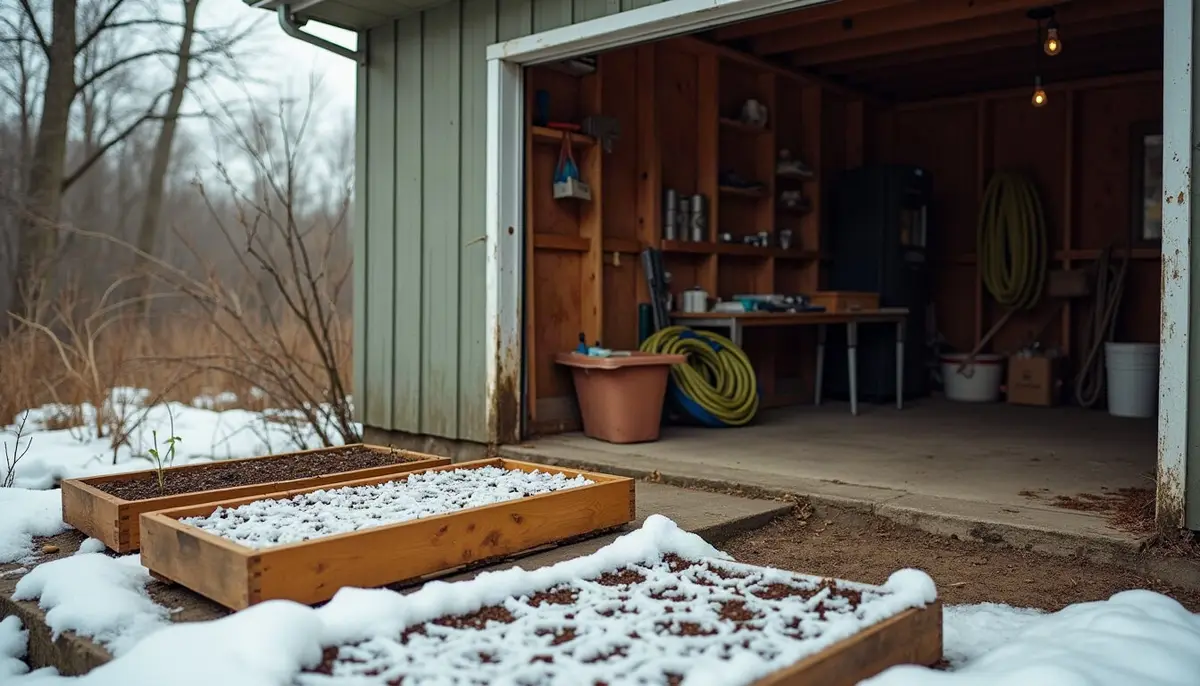
Late snow is melting off the raised beds, and the seed trays on the garage shelf need warmth before the ground is ready. The plan was simple: a heat mat for the seedlings, an electric tiller instead of the old gas one, maybe a charger for a car one day. Then the electrician opened the gray box by the garage door and said there was no room left in it.
When someone types electrical panel replacement Colorado Springs CO into a search box, they are often standing where that gardener stood. This piece follows a slow, practical question: how does the box in the garage decide what a household can change, and who gets a say? It ends with what to ask an electrician before signing.
The box that sets the limits
An electrical panel is the metal cabinet where power from the utility enters the house and is divided into circuits, each protected by a breaker, a switch that cuts power automatically when a circuit draws too much. The panel has a capacity, the total it is built to handle safely, and a number of spaces for breakers. When either runs out, adding something new gets harder.
For a long time this mattered little. Many homes heated with gas, cooked with gas, mowed with gas and drove on gasoline, so the panel carried lights, a fridge and a few small appliances. That arrangement is changing, slowly, house by house. Each time a household swaps a fuel-burning tool for an electric one, the load moves onto the same box, and older panels were not sized with that in mind.
The panel is also a safety device first. It is there to stop wiring from overheating. That is why the work on it belongs to a licensed electrician, never to a homeowner with a screwdriver and a video. The rest of this piece is about the decisions around that work, not the work itself.
Why the garden and garage are where it shows
The kitchen gets most of the attention in talk about electrification, but in many homes the pressure builds outside. Electric mowers, trimmers and tillers mostly charge from ordinary outlets and ask little of the panel. Other things ask more: a heated greenhouse or a cold frame with warming cables for an early start in a short, snowy-winter growing season, a well pump, a workshop, a heat pump on the side of the house, and in time a car charger in the garage.
Each of these is a reasonable choice for a household trying to burn less fuel. Taken together, they can add up to more than an older panel was built to supply. What looks like a series of small garden decisions becomes, at the panel, one large one. I find it helps to think of it the way a grower thinks of water: the tap only delivers so much at once, and a sensible plan works out what needs it at the same time before buying a bigger pipe.
Some of the answer is low-tech. A cold frame banked with straw, seedlings started a little later, a hand tiller for the small beds: these ask nothing of the panel and cost time rather than money. They will not suit every household or every plan, and nobody should feel guilty for wanting the heat mat. But they belong on the list alongside the bigger electrical options, because the cheapest load is the one you never add.
Replace, upgrade or manage the load
A full panel does not always mean a new panel. A careful electrician usually starts with a load calculation, a structured estimate of how much power the household is likely to draw at once, based on what is installed and what is planned. From there, the options tend to fall into a few groups.
- Replacement. Swapping an old or failing panel for a new one, sometimes with more capacity. This is common where a panel is damaged, outdated or simply out of space.
- A larger service. Increasing the power the utility delivers to the house, which usually involves the utility as well as the electrician and can take longer to arrange.
- Load management. Equipment that shares capacity between large appliances so they don't all draw at full power at the same moment, for example letting a car charge overnight when other loads are low.
- A plan instead of a purchase. Deciding which electric changes come first, and timing the bigger ones for when the panel work happens anyway.
Which is right depends on the house, its wiring and what the household wants to do over the next few years. What matters for the reader is that these are real choices, and a good electrician will explain why one fits better than another rather than presenting the largest job as the only one.
Who decides, and what it costs in time
Panel work is one of the places where a household decision runs into several other people's rules. The electrician decides what is safe and what the wiring can take. The local building department issues the permit and sends an inspector to check the work; the details of what is required are theirs to explain, and a homeowner should ask them or the electrician rather than guess. The utility controls the service coming into the house, and any change to that runs on the utility's schedule.
That last point is the one people tend to underestimate. A panel replacement within the existing service may be scheduled fairly quickly. A change involving the utility can mean waiting for their visit, their approval and sometimes their equipment. For a gardener, that is familiar arithmetic: the work is not hard to understand, but the season does not wait, so it pays to start the conversation well before the seed trays come out.
There is also the question of what the old panel already holds. Older homes sometimes have panels that electricians are wary of, or wiring that has been extended by previous owners in ways nobody recorded. A professional opening the cover may find things that change the plan. That is a reason to ask early, not to avoid asking.
Ask in writing
Written answers help you compare quotes and remember, a year later, what was promised and why.
| Ask | Why it matters |
|---|---|
| Did you do a load calculation, and can I see the result? | It shows the recommendation rests on your house, not a rule of thumb. |
| Is replacing the panel necessary, or could load management cover my plans? | It tells you whether the smaller option was considered. |
| Does this job involve the utility, and who arranges that? | Utility work often sets the timeline. |
| Who pulls the permit and arranges the inspection? | Permitted, inspected work protects you when you sell or insure the house. |
| What did you find in the existing panel that changed the plan? | Surprises behind the cover should be explained, not just billed. |
| How much room will be left for future circuits? | A garden heater today and a charger later should not mean two panel jobs. |
The larger question
Much of the public argument about climate happens at the scale of power plants and treaties. In a household it comes down to a gray box by the garage door and a few people deciding what it can carry. Whether a family can swap a gas tool for an electric one, warm a greenhouse with power instead of fuel, or charge a car at home depends on capacity, permits and a utility's timetable as much as on good intentions.
That is not a reason for gloom. It is a reason to plan the way a careful grower plans a season: know what the ground can take, decide what goes in first, and get help from someone who knows the soil. The panel is the soil of the electric house, and the decisions made there will shape what grows for years.

Written by Marisol Ortega
Marisol covers seeds, smallholder farming and the rules that decide who may save, swap or sell them. She has spent a long time around maize fields and seed fairs and still thinks maize is the most political plant there is.