Archive for November 2026
9 posts filed this month.
Titanium dioxide: where it comes from, and why Europe took it out of food
Titanium dioxide starts as black mineral sand and ends up in paint, sunscreen and sweets. Where it comes from, why the EU banned E171 and what is unclear.
Books about bees: six worth reading, from wild bees to a first hive
Books about bees for every kind of reader: native bees, how a honeybee swarm decides, two manuals for a first hive, and the case on pollinator decline.
Environmental books worth reading: eight classics and modern nature books
Eight environmental books and nature books worth reading, from Silent Spring and A Sand County Almanac to fungi, animal senses, extinction and a novel.
Cabinet refinishing, explained without the brochure
· Science
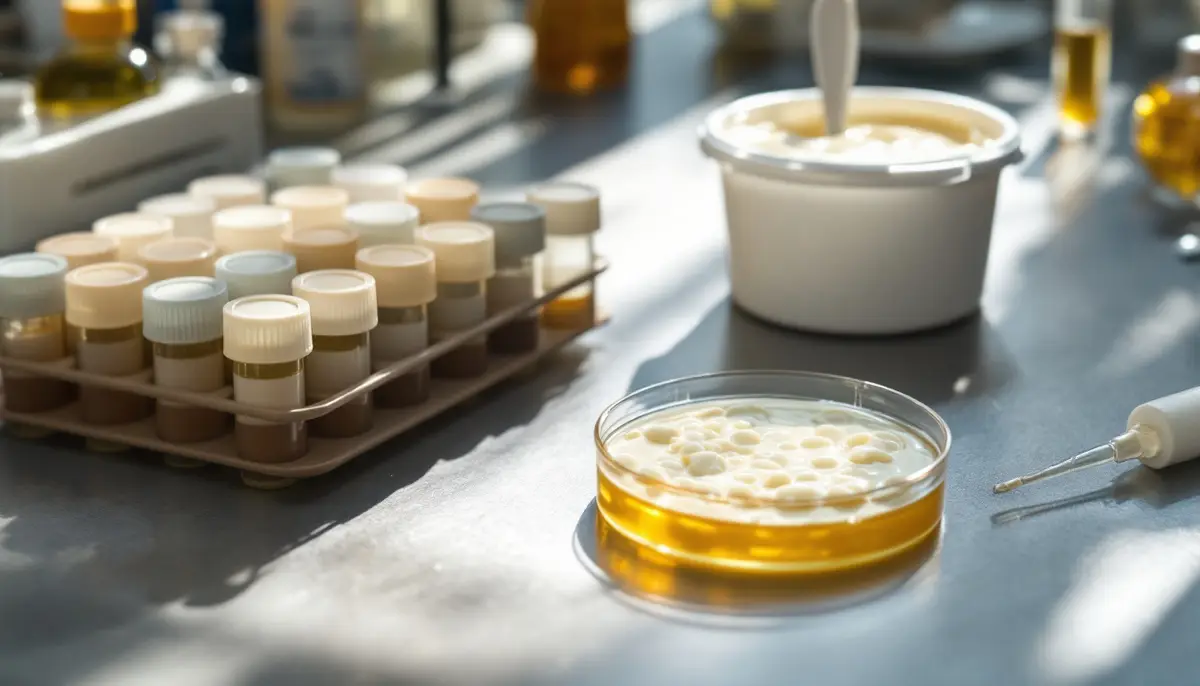
What a new coating on old kitchen cabinets can and can't promise, how to test the claims, and what to ask a painter before you sign.
What does CRISPR stand for? The acronym word by word, and how the tool works
The CRISPR acronym means Clustered Regularly Interspaced Short Palindromic Repeats. What each word describes, and how bacteria gave us gene editing.
Seven technology books on attention, chips and who gains from new tools
Seven technology books for general readers: what media do to attention, how chips became geopolitics, and who gains when new tools arrive.
Nitrogen, potash and phosphate: who controls fertilizer, and why the price swings
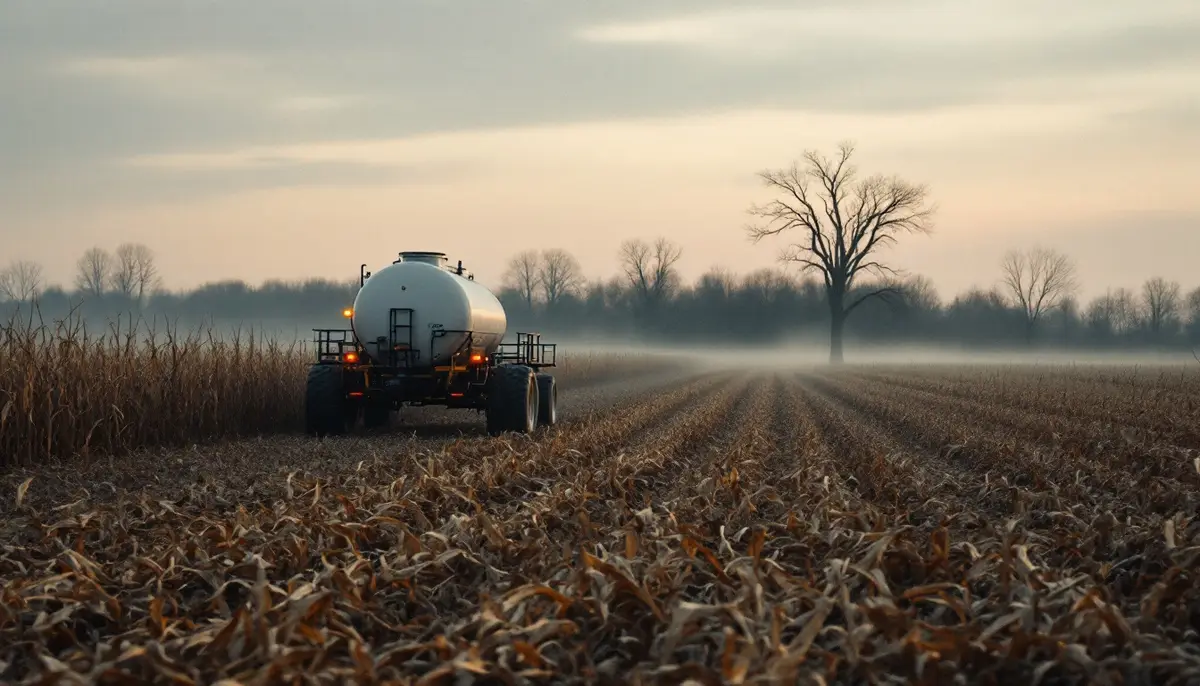
Fertilizer is three businesses: an energy business, a mining business and a near-cartel. Who supplies each nutrient, and what really moves the price.
What are heirloom seeds? The meaning, the myths and how to save your own
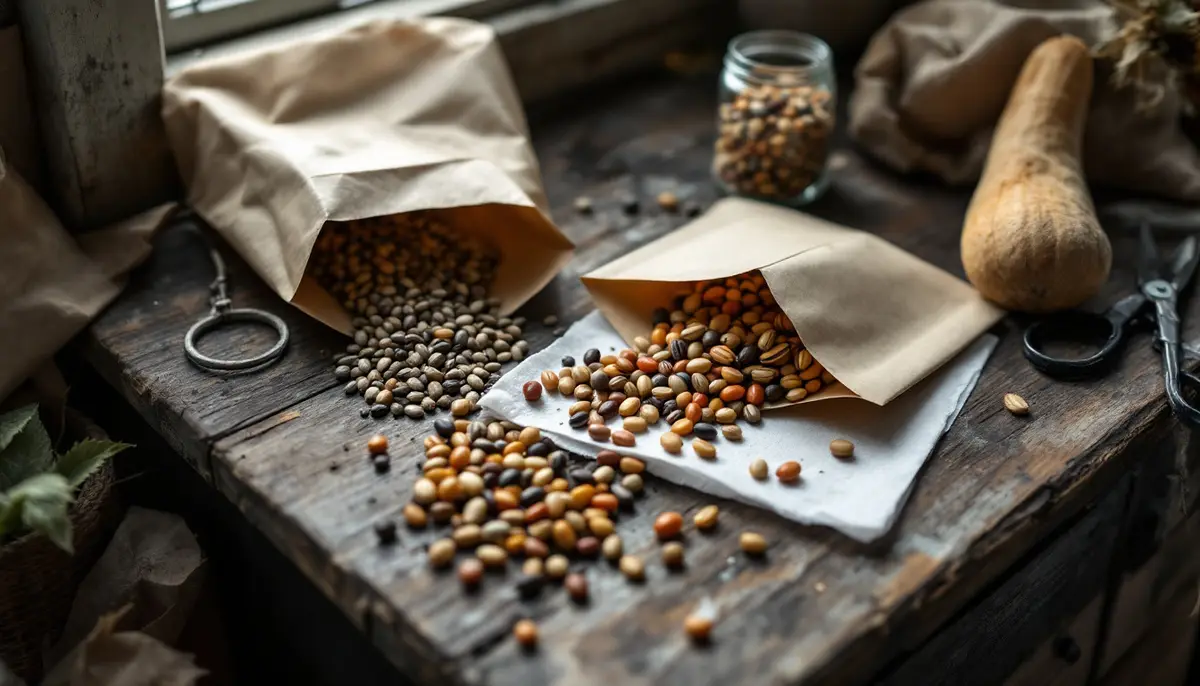
The meaning of heirloom seeds: open-pollinated varieties passed down for generations, how they differ from hybrids, and how to save your own.
Brackets, blocs and the gavel: a reader's guide to how a UN climate COP works
What really happens over a fortnight of UN climate talks: agendas, square brackets, finance fights, negotiating blocs and who holds the pen.