Archive for 2026
43 posts, newest first.
Books about plants: seven on how they live and how to name them
Books about plants for general readers: how plants sense the world, how they shaped us, and two guides for identifying plants in North America.
AI weather models and the farmer's season: questions and answers
Machine-learning weather models went from research papers to daily forecasts in a few years. What they do well, where they fail and what changes on a farm.
Genetically engineered mosquitoes: how they work, where they fly, and who decides
Genetically engineered mosquitoes explained: self-limiting males in Florida and Brazil, how Wolbachia differs, what gene drives add, and who gets a say.
The turkey nobody chose: how a handful of breeders shaped the holiday bird
Most supermarket turkeys trace back to pedigree flocks owned by two breeding companies. How that happened, what was lost and who keeps the older birds.
What is precision agriculture? The tools, the costs and who keeps the data
What is precision agriculture? GPS guidance, variable-rate inputs, yield maps, sensors and drones: what they do, what they cost and who keeps the data.
Food history books that follow the money: six on salt, cod, crops and kitchens
Six food history books for general readers: salt and cod as world trade, crops and empire, kitchen tools, African American foodways and fast food.
Books on monopoly and corporate power, from the trusts to big tech
Seven books on monopoly and corporate power: the history of antitrust, concentration in today's economy and how tech platforms became gatekeepers.
Your air conditioner's service history: who keeps the record?
What a central air conditioning maintenance visit checks, what records it creates, and how to make sure you can keep them.
Antitrust meaning: what the Sherman Act and the laws after it actually forbid
Antitrust meaning in plain terms: the Sherman and Clayton Acts, the FTC, the consumer welfare fight, and how merger thresholds and the HHI work.
RNA interference sprays: the pesticides that switch a pest's genes off
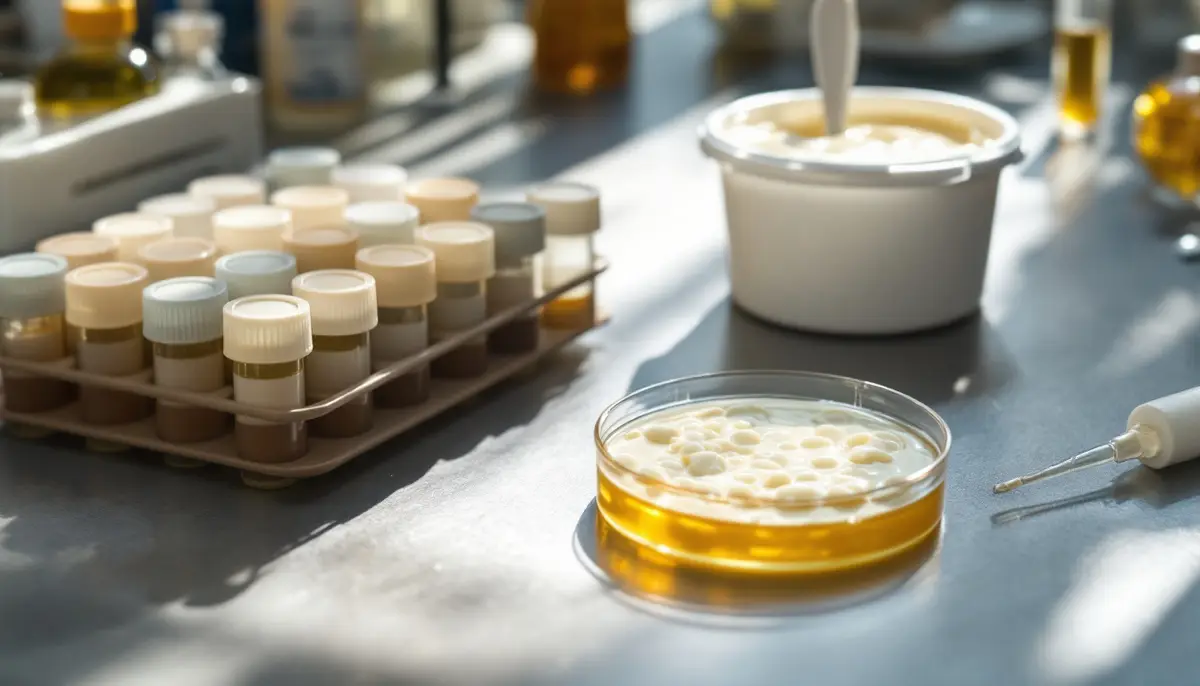
Sprayable double-stranded RNA silences one of a pest's genes instead of poisoning it. How it works, what has been approved and what is still unknown.
Titanium dioxide: where it comes from, and why Europe took it out of food
Titanium dioxide starts as black mineral sand and ends up in paint, sunscreen and sweets. Where it comes from, why the EU banned E171 and what is unclear.
Books about bees: six worth reading, from wild bees to a first hive
Books about bees for every kind of reader: native bees, how a honeybee swarm decides, two manuals for a first hive, and the case on pollinator decline.
Environmental books worth reading: eight classics and modern nature books
Eight environmental books and nature books worth reading, from Silent Spring and A Sand County Almanac to fungi, animal senses, extinction and a novel.
Cabinet refinishing, explained without the brochure
· Science
What a new coating on old kitchen cabinets can and can't promise, how to test the claims, and what to ask a painter before you sign.
What does CRISPR stand for? The acronym word by word, and how the tool works
The CRISPR acronym means Clustered Regularly Interspaced Short Palindromic Repeats. What each word describes, and how bacteria gave us gene editing.
Seven technology books on attention, chips and who gains from new tools
Seven technology books for general readers: what media do to attention, how chips became geopolitics, and who gains when new tools arrive.
What waterproof flooring can and can't promise
· Science
Waterproof, scratch resistant, built to last: what flooring claims actually mean once planks become a floor, and what to ask an installer.
Nitrogen, potash and phosphate: who controls fertilizer, and why the price swings
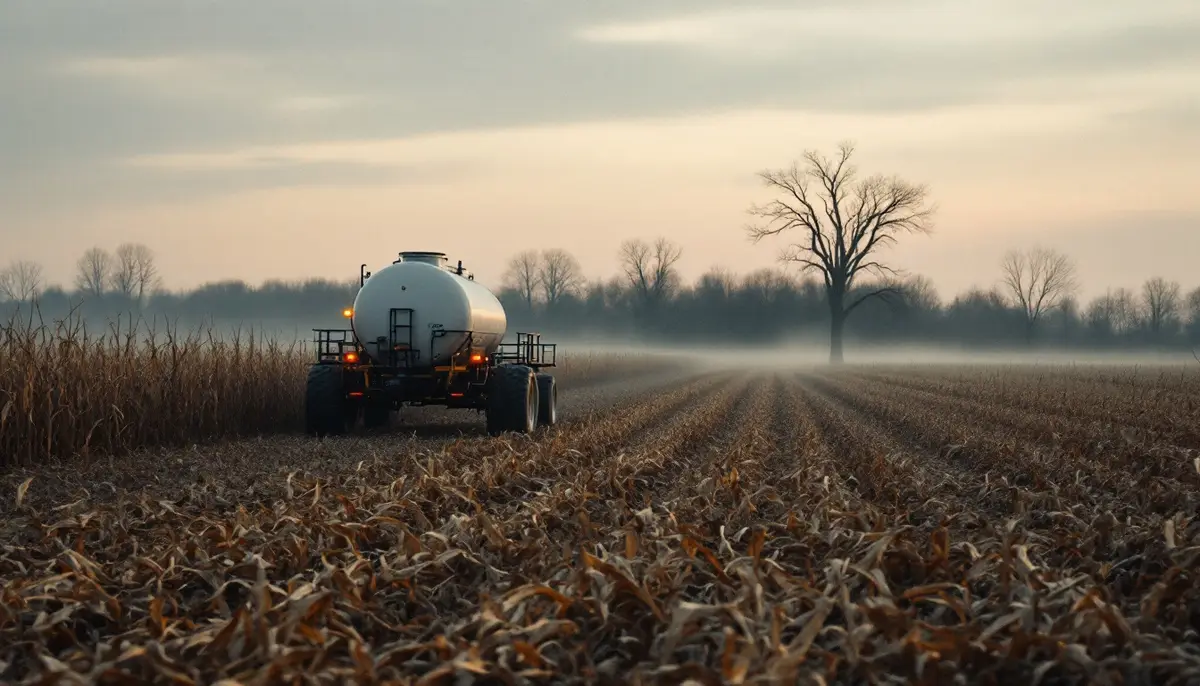
Fertilizer is three businesses: an energy business, a mining business and a near-cartel. Who supplies each nutrient, and what really moves the price.
What are heirloom seeds? The meaning, the myths and how to save your own
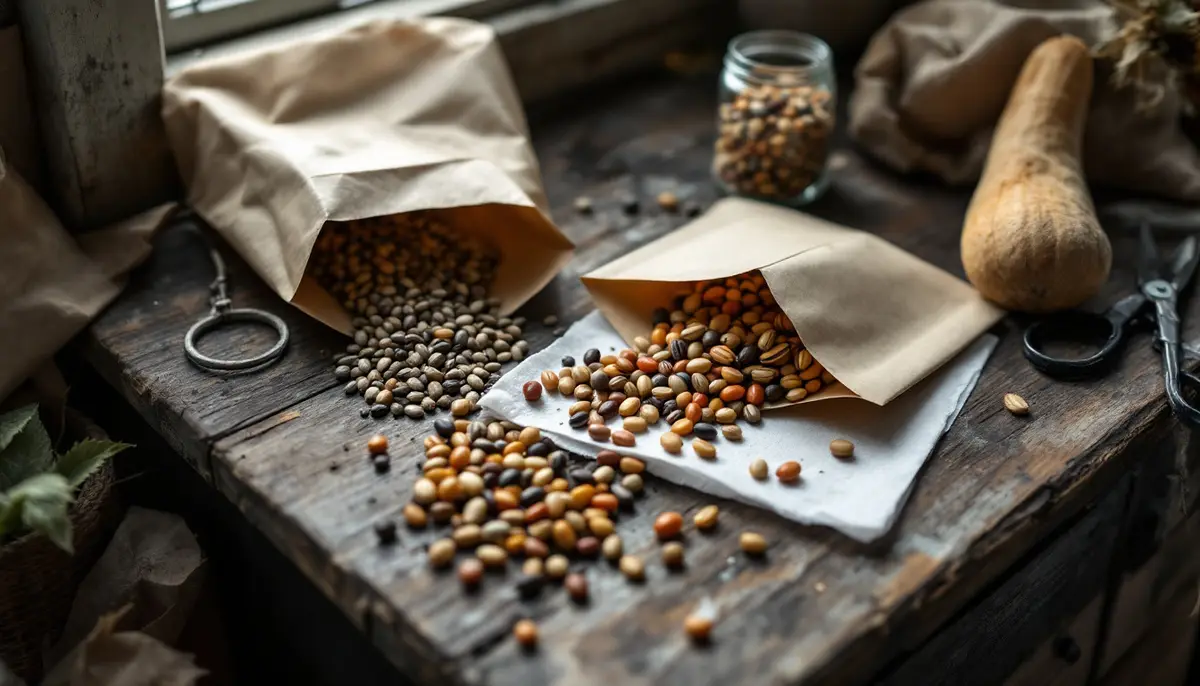
The meaning of heirloom seeds: open-pollinated varieties passed down for generations, how they differ from hybrids, and how to save your own.
Brackets, blocs and the gavel: a reader's guide to how a UN climate COP works
What really happens over a fortnight of UN climate talks: agendas, square brackets, finance fights, negotiating blocs and who holds the pen.
Nutrition books worth reading: seven on processed food, appetite and the science of eating
Seven nutrition books for curious eaters: ultra-processed food, appetite and the brain, Michael Pollan's rules, and where researchers still disagree.
What is biochar? How it is made, what it does for soil and why carbon buyers want it
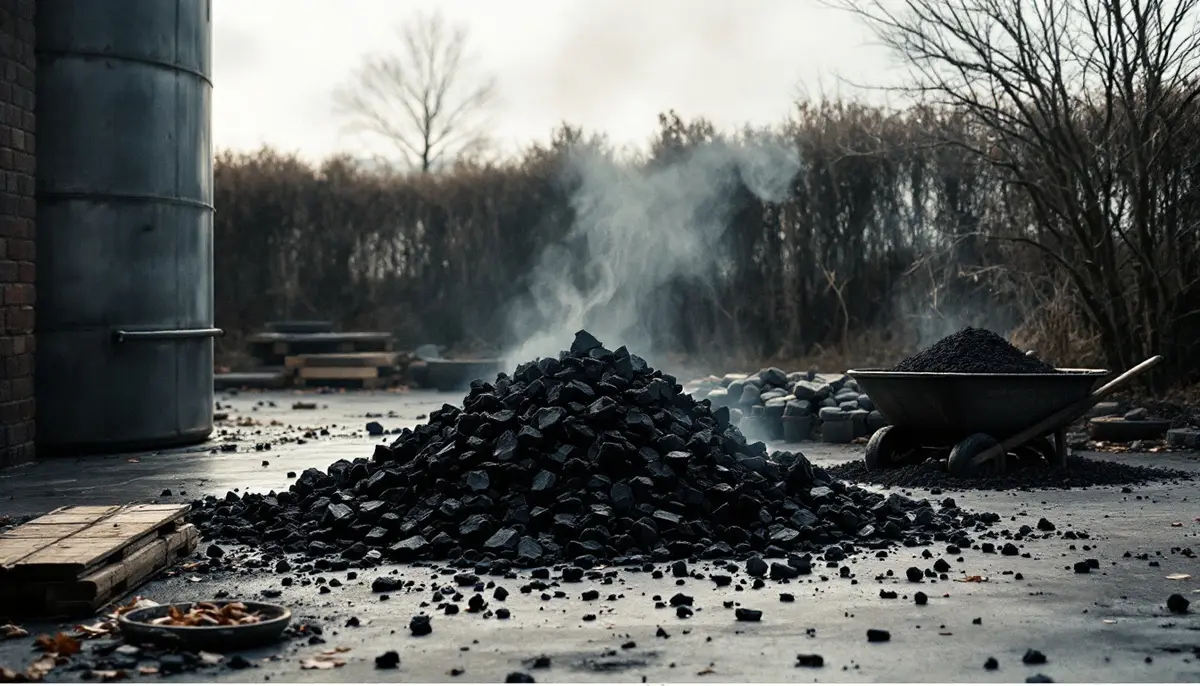
What is biochar? How pyrolysis turns plant waste into stable carbon, what it does for soils and yields, and why it leads durable carbon removal credits.
What is regenerative agriculture? The practices, the promises and the fight over the word
What is regenerative agriculture? The core practices, why definitions split between methods and results, corporate pledges and what soil carbon can do.
Popular science books on genes, cells and life: eight for curious adults
Eight popular science books on genes, cells and life for adults, from The Selfish Gene to CRISPR and fungi, and which one to start with.
Books about trees: seven worth reading, from forest science to a field guide
Seven books about trees: forest science, two scientists' lives, a redwood canopy adventure, a prize-winning novel and a North American field guide.
Are GMOs good or bad? Three questions with three different answers
Are GMOs good or bad? Split it into food safety, effects in the field and who owns the seed, and the evidence gives three quite different answers.
The best food writing: eight books on how our food is grown, made and sold
The best food writing follows dinner back to field and factory. Eight food books on the industrial plate, growing and cooking, and the bigger picture.
How carbon credits work: from a project's tonne to a company's claim
How carbon credits work: compliance and voluntary markets, registries, additionality and permanence, plus a worked example of how a tonne gets counted.
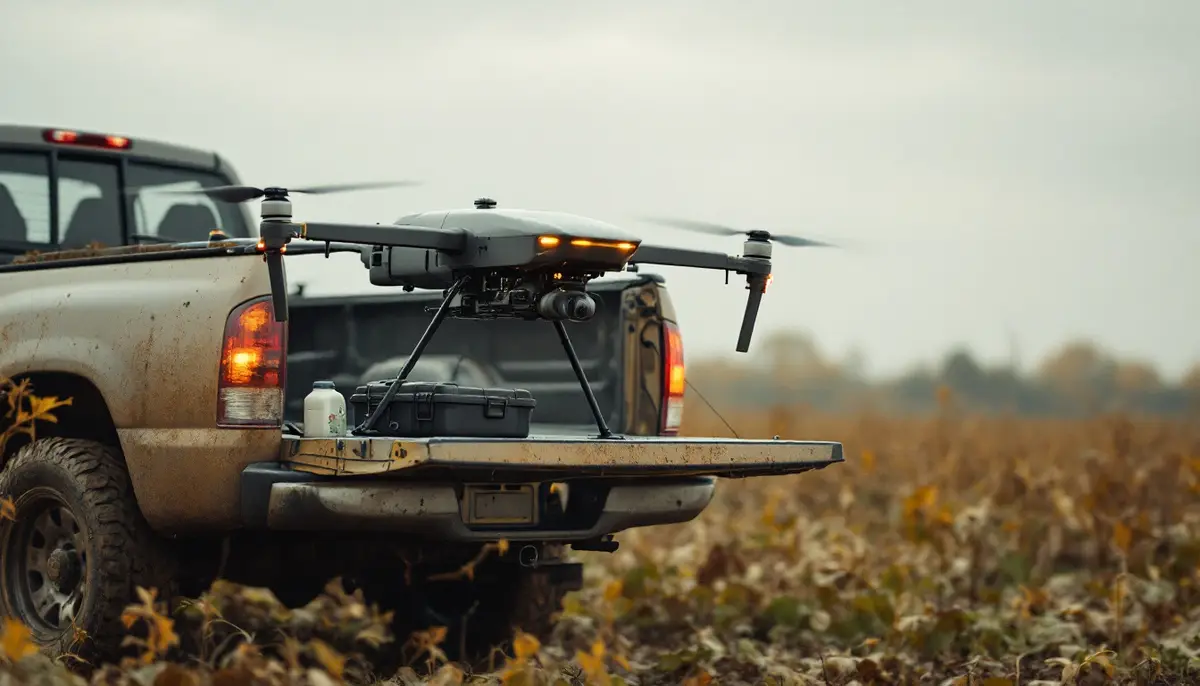
Drones over the fields: spraying, mapping and the rules catching up
A season with a farm spray drone, step by step (licenses, drift, neighbors, data), and why the rules are still catching up with the machine.
Climate change books worth your time: the science, the fixes, the politics and two novels
Nine climate change books for general readers: the science and the stakes, the solutions, the politics of power, and two novels about what comes next.
What does non-GMO mean? Three labels, three different promises
Non-GMO means different things on different labels. How the butterfly seal, the USDA bioengineered label and organic differ, and where gene editing fits.
The best books on AI: ten that explain the machines and who controls them
The best books on AI for general readers: how the systems learn and fail, who profits from the data, and what the long-range worriers get right.
Who decides what your electric house can carry?
Electric garden tools, greenhouse heat and car chargers all meet at one panel. What sets its limits, who decides, and what to ask an electrician.
Is cloud seeding harmful? Silver iodide, flood claims and what seeding can really do
Is cloud seeding harmful? What silver iodide does, whether seeding works, the Dubai and Texas flood claims, and who regulates it.
Who really pays for the drive to the mountains?
Cars, parking and snowy passes: the hidden costs of a group trip from Denver to the ski towns, and what to ask a charter operator first.
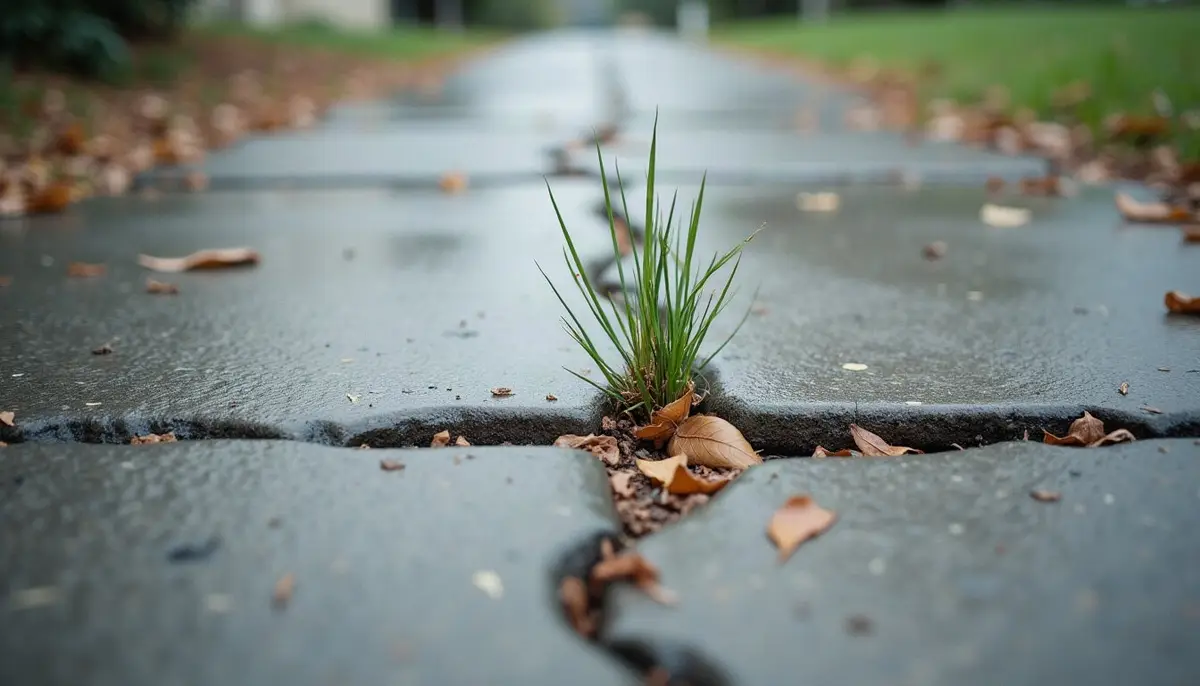
Patch, resurface or replace: who decides what a cracked driveway needs?
Three driveway fixes, three business models. How to read a concrete repair quote and what to ask before you sign.
Who can repair your shower once the tile goes up?
Turning a tub into a shower hides valves, membranes and sometimes software behind tile. Here is what to ask about future repairs before you sign.
Cultivated meat: a reality check
Six years after the first approval, cultivated meat is legal in a few places, banned in others and sold almost nowhere. The biology explains most of why.
Agroecology on the farm: what changes, season by season
Agroecology is a practice before it is a policy. What changes on a working farm, the FAO's ten elements in plain words, and the trade-offs to admit.
Bring back technology assessment
Congress closed its technology office in 1995. AI and synthetic biology make the case for public, independent foresight stronger than ever.
Soil carbon: what the science can promise, and what it can't
Soils hold vast amounts of carbon, but gains are hard to measure and easy to lose. What 4 per 1000, carbon credits and farmers can realistically expect.
Geeks start the week: what synthetic biology's 2007 promises delivered
The first day of SB3.0 in 2007 was a rush of fast technical talks. Nearly nineteen years later, which of those tools and promises came true?
Ocean iron fertilisation revisited: from Planktos to the new marine carbon removal
Iron dumping promised cheap carbon storage and delivered scandals and a treaty fix. Now ocean carbon removal is back, with old governance questions.