Cabinet refinishing, explained without the brochure
· 6 min read · by Henrik Aalto
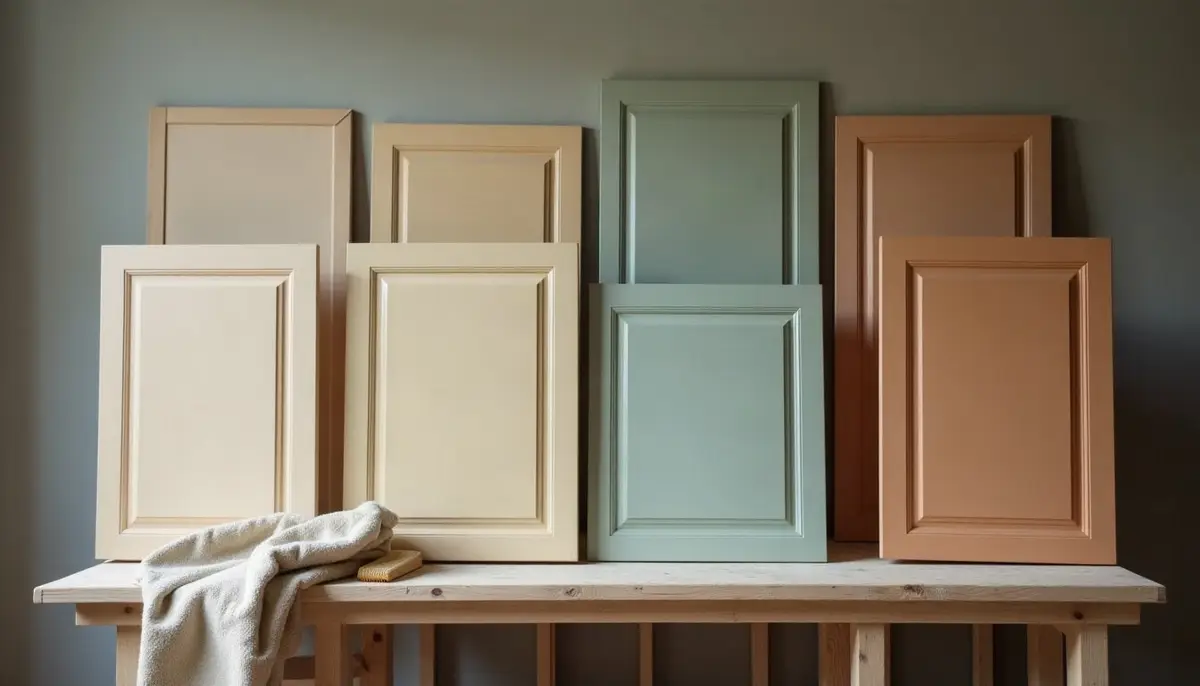
The kitchen cabinets are solid, a little dated, and worn pale around the handles where hands have reached for coffee for years. The doors close fine. The boxes are square. The only real complaint is the color, and the first showroom visit suggests ripping the whole lot out anyway.
If you're researching cabinet refinishing Colorado Springs, one local painter's description of the service is a reasonable first stop, and it raises the question this piece follows: what can a new coating on old cabinets actually promise, and how would you know whether the promise holds? I separate what is claimed, what is shown and what is plausible, and end with what to ask before signing.
Three words that get used loosely
Before the claims, the vocabulary, because the trade uses it inconsistently and the differences matter.
- Refinishing. Strictly, stripping or sanding the existing finish and applying a new clear or tinted one, so the wood grain still shows. In practice the word is often stretched to cover painting too.
- Painting. Covering the cabinets with an opaque coating, usually over a primer that helps it grip the old surface.
- Refacing. Keeping the cabinet boxes but replacing the doors and drawer fronts, and covering the visible frames with a veneer, a thin sheet of wood or laminate.
Each has its own costs and failure modes. When a quote uses one word, it is worth asking which of these three it actually means.
What a coating actually does
A cabinet finish is a thin film doing several jobs at once. It has to stick to whatever is underneath, resist water and grease, take knocks from pots and shoes, and flex slightly as the wood beneath it moves. That last job is easy to forget. Solid wood swells and shrinks with humidity, and in a dry, high-altitude climate with cold winters and strong sun, the seasonal swing can open hairline gaps at joints. A film that is too brittle cracks along those lines.
Two other terms carry most of the weight. Adhesion is how well the coating bonds to the surface, and it depends almost entirely on preparation: cleaning off years of kitchen grease, scuffing glossy surfaces so the primer can grip, and choosing a primer suited to what is there. Curing is the chemical hardening that continues long after the surface feels dry to the touch. A cabinet can be dry enough to rehang in a day and still be soft enough to mark for weeks. Many early failures, such as doors sticking to frames or chips at the edges, come from treating dry as cured.
So the honest summary is simple and a little unglamorous. The product matters, but the cleaning, sanding, priming and patience matter more. Two painters using the same coating can produce very different results.
Claimed, shown, plausible
Cabinet marketing leans on a small set of phrases. Each deserves the same treatment.
"A factory-smooth finish." Claimed often. What it usually means is that the doors are sprayed rather than brushed, typically off site or in a dedicated spray area, which can leave a very even film. That is plausible and checkable: ask to see a finished door in person and look at it in raking light, with the light low across the surface, where brush marks and dust show up. A photo on a website shows very little.
"Durable" or "long-lasting." Claimed almost always, shown rarely. Durability depends on the coating type, the preparation and how the kitchen is used. A household that wipes cabinets with a damp cloth asks less of a finish than one that scrubs them with abrasive cleaners. What would count as evidence is the contractor's own experience with jobs a few years old, and whether they will let you see or hear about one.
"No sanding needed." This shows up on some products sold directly to homeowners. It is plausible in narrow cases with the right bonding primer, but it shifts more of the burden onto cleaning and primer choice. A professional who skips sanding entirely should be able to explain exactly why it is safe on your surface.
"Low odor." A statement about smell during application, not a promise about anything else. If the chemistry of a product matters to you, the manufacturer's own product data sheet is the place to read it, and your painter should be able to tell you which product they plan to use.
What the evidence would need to show
If I wanted to be convinced that a refinishing job would hold up, I would want three things, none of them exotic. First, a named product and process: which cleaner, which primer, which topcoat, applied how. Second, a sample, ideally on one of my own doors or a matching offcut, left to cure and then tested with ordinary use: a fingernail, a damp cloth, a knock from a pan. Third, a clear statement of what the contractor does if the finish fails early, whether peeling, chipping or doors sticking.
That last point is where a lot of quotes go vague. A warranty that covers "defects in workmanship" without saying what counts as a defect is a promise with no edges. A short list of what is and isn't covered tells you far more than an impressive number of years.
None of this requires a laboratory. The tests a careful homeowner can run are the same ones a painter runs informally: press, scratch, wipe, wait, and look again. What matters is that the claim is specific enough to fail. "It will look great for years" cannot fail. "This topcoat, over this primer, on this prepared surface, will resist a damp cloth and ordinary knocks once cured" can, and that is what makes it worth something.
It is also worth asking what happens to the hinges, handles and drawer slides. Some contractors reuse them, some replace them, and some leave the choice to you. Old hardware is often perfectly sound. Replacing it can change the hole spacing on the doors, which is the kind of detail that turns a simple job into a more complicated one.
Ask in writing
Getting these answers on paper lets you compare quotes on substance rather than adjectives.
| Ask | Why it matters |
|---|---|
| Which products will you use for cleaning, priming and the topcoat? | Named products can be looked up; "premium coating" cannot. |
| Will the doors be sprayed, brushed or rolled, and where? | The method shapes the finish you will see in raking light. |
| How will you prepare the existing surface? | Adhesion depends on cleaning and scuffing more than on the paint. |
| How long before the cabinets can be used normally? | It shows whether the plan respects curing time or just drying time. |
| Can I see a sample door before you start? | A sample is evidence; a portfolio photo is not. |
| What does your warranty cover, and what does it exclude? | A clear list beats a long number of years. |
| What happens to the existing hinges and handles? | New hardware can change door drilling and the scope of the job. |
The larger question
The kitchen industry is built around replacement. New cabinets are a larger sale, with more manufacturing behind them and more margin along the way, and the showroom is designed to make the old kitchen look tired. Refinishing sits against that current. It keeps sound wood in use, puts the work into local labor rather than freight, and leaves the decision about what is broken with the person who owns the kitchen.
That is not a reason to refinish everything. Cabinet boxes that are swollen, delaminating or badly laid out may be better replaced. But the default deserves a second look. A coating is a technical product with real limits, and a homeowner who asks how it works, what it needs and what would prove it is in a better position than one who simply picks a color from a fan deck.

Written by Henrik Aalto
Henrik writes about genetic engineering, gene editing and synthetic biology: the science, the patents and the gap between a press release and a product. He reads the supplementary data so you do not have to.