Biofuels and transgenics: the tortilla, the tank and who pays
· 8 min read · by Marisol Ortega
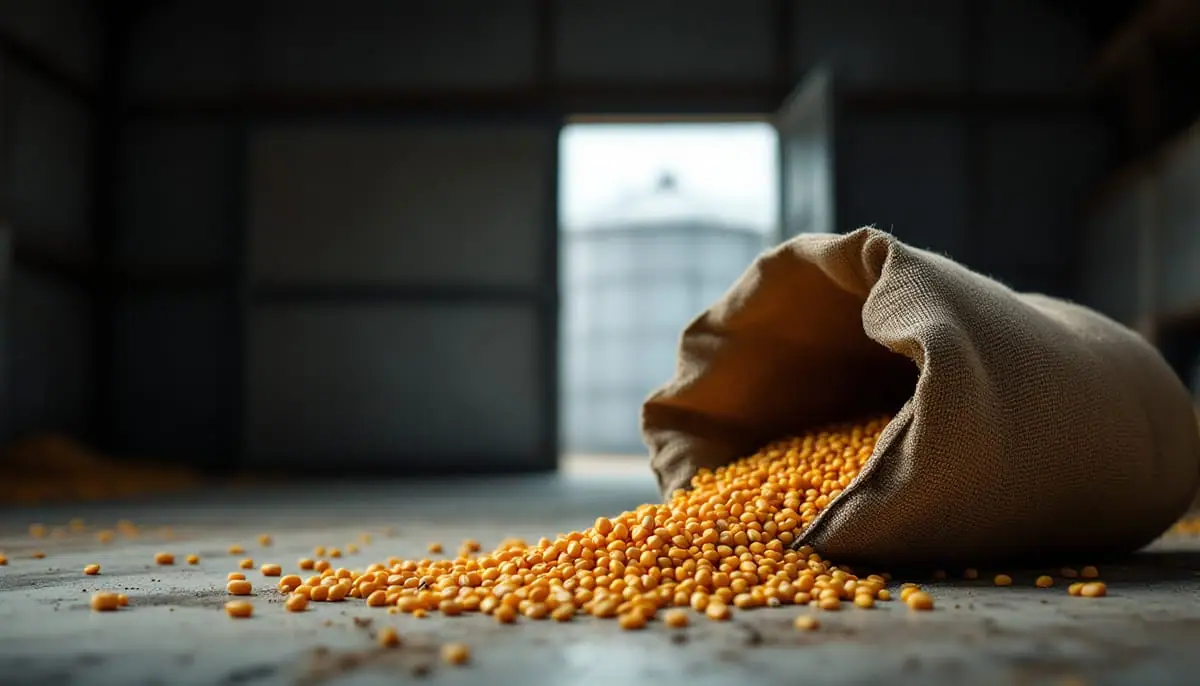
In January 2007 the price of tortillas in Mexico jumped. In parts of the country it rose by a third or more within weeks, and for families who eat tortillas at every meal that is not an abstraction. At the end of the month tens of thousands of people marched in Mexico City, and the new government of Felipe Calderón hurried to broker a voluntary price-cap pact with the big flour and tortilla companies.
Economists still argue over how much of that spike came from where. Some of it was hoarding and speculation, and accusations flew at the handful of firms that dominate Mexican grain trading and milling. But part of it came from far to the north. The United States had passed a renewable fuel mandate in 2005, ethanol plants were going up across the Corn Belt, and US maize prices had climbed steeply through late 2006. Since the North American Free Trade Agreement took effect in 1994, Mexico had come to rely heavily on imported US maize. When maize got dearer in Iowa, a kilo of tortillas got dearer in Iztapalapa.
It was an early warning. It was mostly ignored.
How fuel got into the food system
The biofuel boom of the 2000s was built by governments. In the United States, the Energy Policy Act of 2005 created the Renewable Fuel Standard, and the Energy Independence and Security Act of 2007 expanded it sharply, setting a path to 36 billion gallons of renewable fuel a year by 2022, with up to 15 billion gallons allowed from conventional corn ethanol. The European Union set an indicative target of 5.75 percent biofuels in transport fuel by 2010 in a 2003 directive, then a binding 10 percent renewable energy target for transport by 2020 in 2009. Brazil, which had built a sugarcane ethanol industry since the 1970s, expanded it as flex-fuel cars took over its roads after 2003. Argentina, already the world's leading exporter of soybean oil, became a major producer of soy biodiesel.
The sales pitch was climate, energy security and rural development, all at once. The reality was that a large and growing share of the world's grain and vegetable oil was now being bought by fuel blenders with a legal obligation to buy it, whatever the price.
2008: the warning comes true
By 2008 the tortilla had become a global story. Prices of maize, wheat, rice and vegetable oils hit record highs. Several rice exporters restricted sales abroad. In April 2008 protests over food prices in Haiti ended with the Senate removing the prime minister, and unrest broke out in many countries across Africa, Asia and the Caribbean. Months earlier, in October 2007, Jean Ziegler, then the UN special rapporteur on the right to food, had called for a five-year moratorium on biofuels made from food crops.
How much was biofuels' fault? Estimates ranged from a modest share in some US government analyses to well over half in a World Bank background paper written in 2008. Most serious studies landed in between, alongside high oil prices, a weak dollar, poor harvests, export bans and speculation. What nobody could credibly claim was that pouring a large slice of the world's maize and vegetable oil into fuel tanks had no effect on what poor people paid for food. A comparison popularized by the environmental analyst Lester Brown, that the grain needed to fill one large SUV tank with ethanol could feed a person for a year, was rhetoric. It still pointed at a real collision.
Bending the crop toward the tank
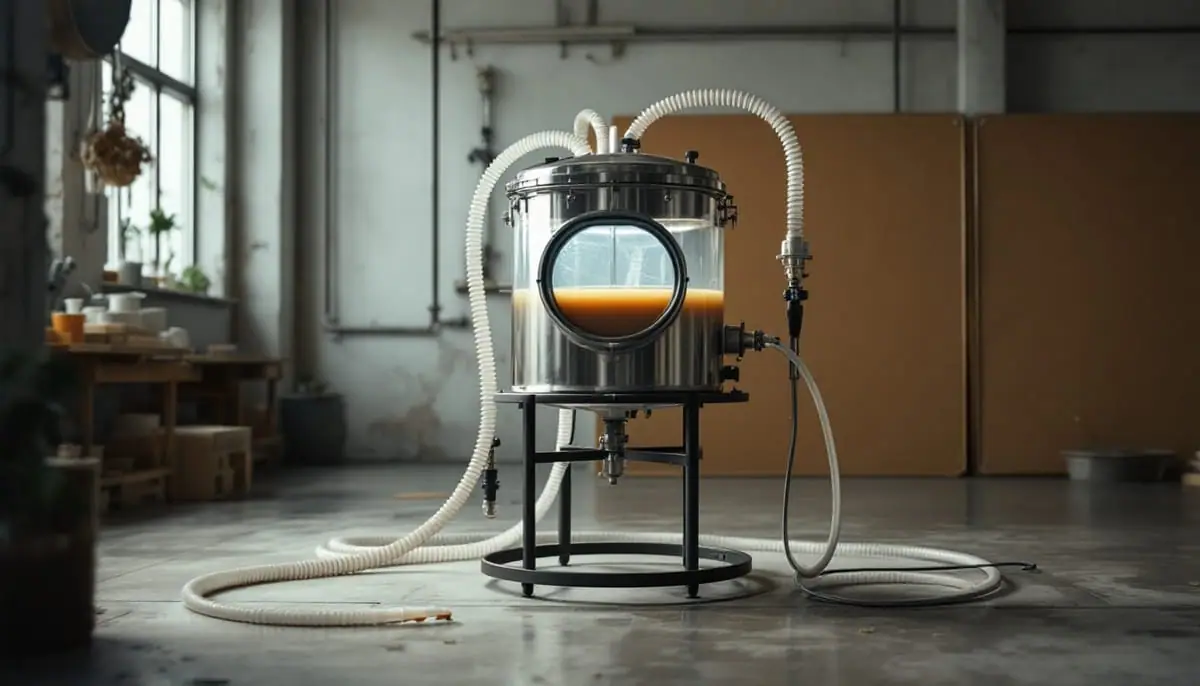
The companies selling genetically modified seed saw an opening and said so. The big names of the time, Monsanto, Syngenta, DuPont's Pioneer, Dow, Bayer and BASF, presented biotechnology as part of the answer to energy and climate, and struck research and commercial arrangements with the grain traders and processors (Archer Daniels Midland, Bunge, Cargill) that would turn crops into fuel. Their research followed the fuel market: maize with more fermentable starch, oilseeds with more oil, crops engineered to carry their own processing enzymes.
The clearest example became Syngenta's Enogen maize. It carries a gene for a heat-stable alpha-amylase, an enzyme that breaks starch into sugars, taken from microbes that live in extreme heat. The idea is that the enzyme sits quietly in the grain until it reaches the ethanol plant, saving the cost of adding it separately. Syngenta developed it with Diversa, a San Diego bioprospecting company, the same firm whose agreement to collect microorganisms with Mexico's national university had been halted around 2001 after an outcry over biopiracy. The US Department of Agriculture cleared Enogen for commercial planting in 2011.
The loudest early objections came from an unexpected quarter: the millers. Companies that grind maize for food in North America warned that if Enogen grain got mixed into food supply chains, its enzyme could start breaking down starch during processing and spoil product quality. Their worry was not health. It was contamination, the same worry Mexican peasant organizations had raised about GM maize for years. If a fuel trait could slip into food maize in the comparatively tidy, segregated grain system of the US Midwest, what would happen in a country where maize was born and seed passes from hand to hand?
Other fuel-minded crops followed. Brazil approved the first commercial GM eucalyptus, engineered to grow faster, in 2015, and the world's first GM sugarcane, an insect-resistant variety, in 2017. Jatropha, a shrub promoted around 2007 as a miracle biodiesel crop for marginal land, was planted across India, Africa and Southeast Asia and largely abandoned within a few years after yields fell far short of promises. Cellulosic ethanol, the "second-generation" fuel that would use crop residues and grasses instead of grain, never arrived at scale. The US cut its cellulosic targets year after year, and several flagship plants built in the Midwest in the mid-2010s were closed or idled within a few years.
What the mandates look like now
Seventeen years after the tortilla marches, the mandates have not gone away. They have changed shape.
- In the United States, the Environmental Protection Agency now sets annual volumes under the Renewable Fuel Standard; a rule issued in 2023 covers 2023 to 2025. Roughly a third of the US maize harvest goes to ethanol plants, though part comes back to the feed market as distillers' grains. The newer growth is in renewable diesel and aviation fuel made from soybean and canola oil, which has set off a wave of new oilseed crushing plants.
- The European Union has stepped back from crop-based fuels. In 2015 it capped their contribution toward transport targets at 7 percent, and later rules phase out, by 2030, fuels from crops judged to drive deforestation, palm oil above all.
- Brazil blends more than 25 percent ethanol into its gasoline and keeps raising its biodiesel blend step by step.
- Indonesia moved to a 35 percent palm biodiesel blend in 2023, and India has set a target of 20 percent ethanol in petrol, drawing on sugarcane and grain.
The climate case has taken a beating too. Once the cropland expansion that biofuel demand drives elsewhere is counted, several studies have found that some crop-based fuels offer little or no benefit over the fossil fuels they replace, and some do worse. The argument over how to count that indirect land-use change has run for more than fifteen years without settling.
Who carries the costs
The costs of the biofuel economy fall unevenly, which is part of why it has lasted. A rough ledger:
- People who buy most of their food. Urban families in poor countries, who spend a large share of their income on staples, feel every price spike first and have no say in US or EU fuel policy.
- Smallholders on the frontier. The spread of soy in South America and of sugarcane and oil palm in Central America and Southeast Asia has repeatedly been tied to land concentration, evictions and territorial conflict. In Guatemala's Polochic Valley, hundreds of Q'eqchi' families were evicted in 2011 from land being cleared for sugarcane.
- Forests and the people in them. Land-use change stops being a modeling term when oil palm replaces rainforest or soy pushes cattle deeper into Brazil's Cerrado.
- Maize diversity. Mexico has still not allowed commercial planting of GM maize, and in 2023 it decreed that GM maize could not be used for tortillas, a measure the United States has challenged under the USMCA trade agreement. Fuel traits would add one more transgene to the contamination risk in maize's center of origin.
- Taxpayers and drivers. Blending mandates and tax credits move money from the public and from fuel buyers to the firms that sell the seed and chemicals and trade and process the crops, a group that overlaps heavily with the handful of companies that dominate seed and with the concentrated grain trade.
Who gains is easier to name. Seed and chemical companies, grain traders, processors and the large farms able to supply them in volume have all done well from a guaranteed market. Small farmers sometimes benefit from higher prices too, a fair point that biofuel defenders make. But a price spike is a windfall only for those with a surplus to sell, and many of the world's poorest farming households are net buyers of food.
The tortilla is still the test
In 2009 critics of the vertical-farm idea warned that a countryside emptied of farmers would simply be handed over to biofuel crops and carbon schemes. The biofuel economy got part of the way there without a single skyscraper. The question the tortilla marches asked in 2007 is still the right one for any new fuel mandate, aviation fuel included: when food and fuel compete for the same field, who decides which one wins, and who eats the difference?

Written by Marisol Ortega
Marisol covers seeds, smallholder farming and the rules that decide who may save, swap or sell them. She has spent a long time around maize fields and seed fairs and still thinks maize is the most political plant there is.