Archive for October 2026
17 posts filed this month.
Nutrition books worth reading: seven on processed food, appetite and the science of eating
Seven nutrition books for curious eaters: ultra-processed food, appetite and the brain, Michael Pollan's rules, and where researchers still disagree.
What is biochar? How it is made, what it does for soil and why carbon buyers want it
What is biochar? How pyrolysis turns plant waste into stable carbon, what it does for soils and yields, and why it leads durable carbon removal credits.
What is regenerative agriculture? The practices, the promises and the fight over the word
What is regenerative agriculture? The core practices, why definitions split between methods and results, corporate pledges and what soil carbon can do.
Popular science books on genes, cells and life: eight for curious adults
Eight popular science books on genes, cells and life for adults, from The Selfish Gene to CRISPR and fungi, and which one to start with.
Books about trees: seven worth reading, from forest science to a field guide
Seven books about trees: forest science, two scientists' lives, a redwood canopy adventure, a prize-winning novel and a North American field guide.
Are GMOs good or bad? Three questions with three different answers
Are GMOs good or bad? Split it into food safety, effects in the field and who owns the seed, and the evidence gives three quite different answers.
The best food writing: eight books on how our food is grown, made and sold
The best food writing follows dinner back to field and factory. Eight food books on the industrial plate, growing and cooking, and the bigger picture.
How carbon credits work: from a project's tonne to a company's claim
How carbon credits work: compliance and voluntary markets, registries, additionality and permanence, plus a worked example of how a tonne gets counted.
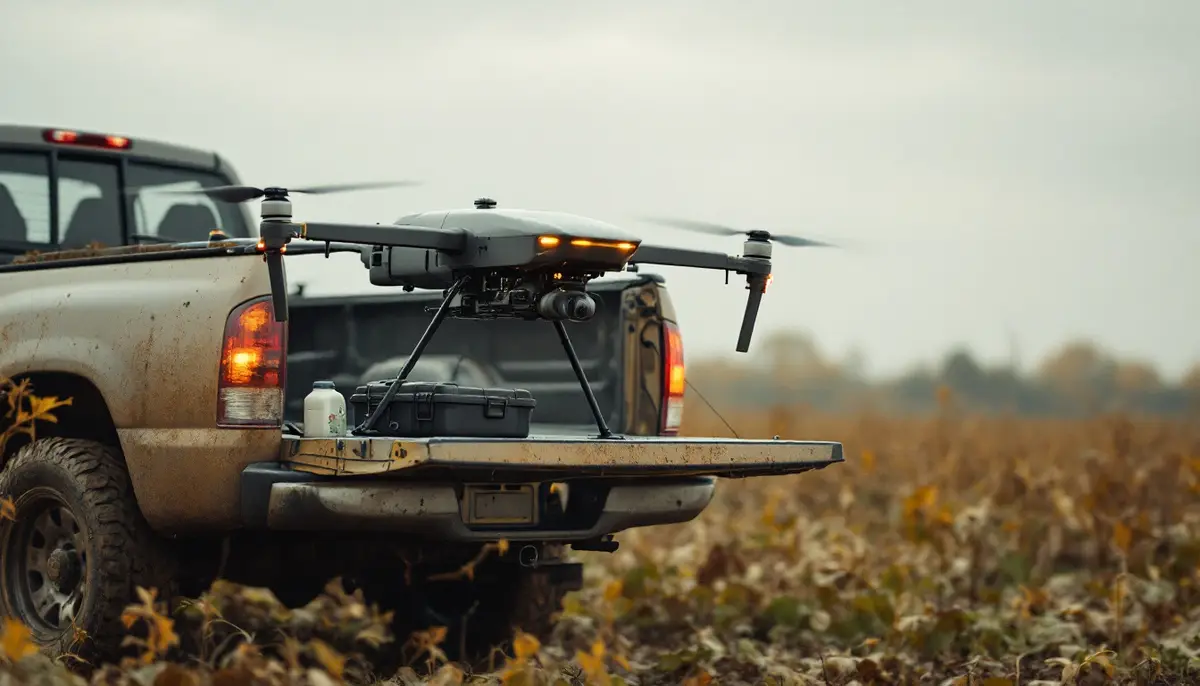
Drones over the fields: spraying, mapping and the rules catching up
A season with a farm spray drone, step by step (licenses, drift, neighbors, data), and why the rules are still catching up with the machine.
Climate change books worth your time: the science, the fixes, the politics and two novels
Nine climate change books for general readers: the science and the stakes, the solutions, the politics of power, and two novels about what comes next.
What does non-GMO mean? Three labels, three different promises
Non-GMO means different things on different labels. How the butterfly seal, the USDA bioengineered label and organic differ, and where gene editing fits.
The best books on AI: ten that explain the machines and who controls them
The best books on AI for general readers: how the systems learn and fail, who profits from the data, and what the long-range worriers get right.
Who decides what your electric house can carry?
Electric garden tools, greenhouse heat and car chargers all meet at one panel. What sets its limits, who decides, and what to ask an electrician.
Is cloud seeding harmful? Silver iodide, flood claims and what seeding can really do
Is cloud seeding harmful? What silver iodide does, whether seeding works, the Dubai and Texas flood claims, and who regulates it.
Who really pays for the drive to the mountains?
Cars, parking and snowy passes: the hidden costs of a group trip from Denver to the ski towns, and what to ask a charter operator first.
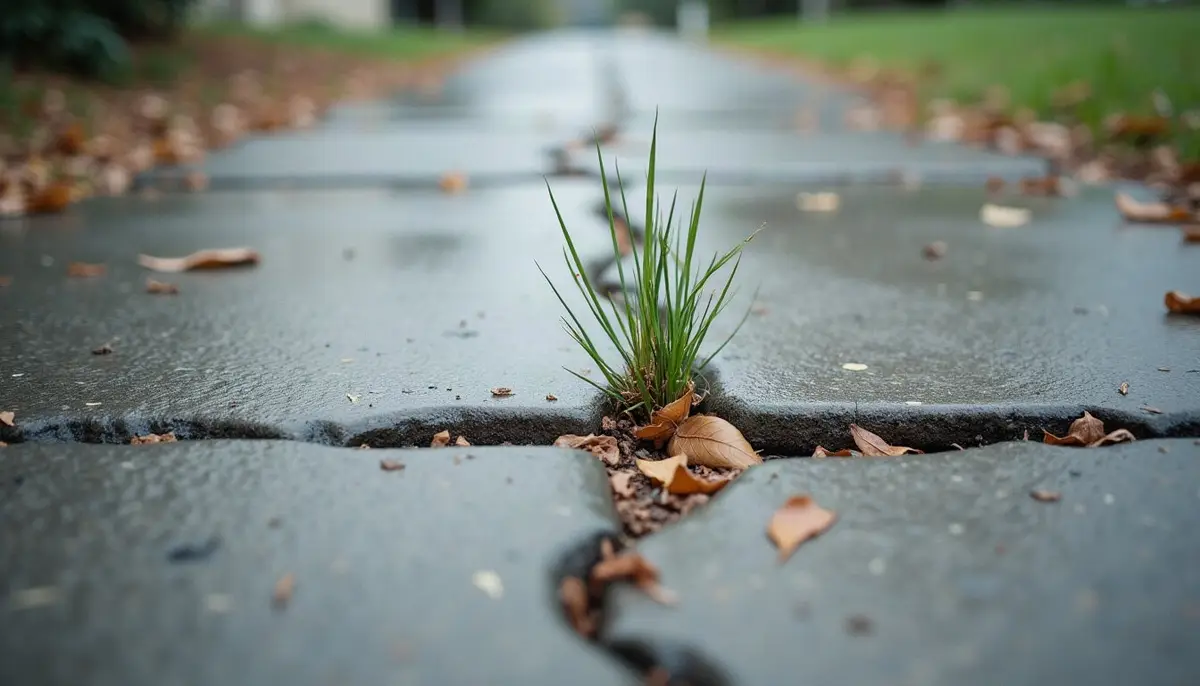
Patch, resurface or replace: who decides what a cracked driveway needs?
Three driveway fixes, three business models. How to read a concrete repair quote and what to ask before you sign.
Who can repair your shower once the tile goes up?
Turning a tub into a shower hides valves, membranes and sometimes software behind tile. Here is what to ask about future repairs before you sign.